

A portable CMM, or portable coordinate measuring machine, is a 3D measurement system used to inspect parts directly on the shop floor, in a production area, or at the installation site. Unlike a fixed bridge CMM, which is typically installed in a dedicated inspection room and may require tight temperature control, a portable CMM can be moved closer to the workpiece. This helps reduce the need to transport heavy parts, arrange cranes, or pause production for long periods.
The main difference is not just equipment size, but how the measurement process fits into daily manufacturing. Fixed CMMs are often used for high-accuracy inspection in controlled labs, while portable CMMs are chosen when flexibility, speed, and access to large or complex parts matter more. As manufacturers move more inspection work onto the shop floor, portable CMMs have become a practical option for reducing downtime, inspecting large workpieces, and making measurement easier for non-specialist operators.
Portable CMMs come in several major types, each with a different balance of accuracy, range, setup time, portability, and operator skill requirements. Handheld systems, such as the KEYENCE XM Series and WM Series, are built for direct probing and shop-floor measurement. Arm-type CMMs, including FARO Arm and Hexagon ROMER systems, use a multi-joint arm for dimensional inspection and scanning. Laser trackers are suited for large-volume measurement, while optical scanner-type systems are often used for point cloud capture and reverse engineering.
| Type | Measurement Characteristics | Price Range | Best Use |
|---|---|---|---|
| Handheld Portable CMM | High portability, short setup time, and flexible measurement. The KEYENCE XM Series supports small to medium-size parts, while the WM Series supports large parts up to 25 m. | $30,000 to $80,000 | Shop-floor inspection, large-part measurement, fast dimensional checks, and wireless operation |
| Arm-Type CMM | Moderate to high accuracy using a multi-joint arm. Measurement range is typically limited by the arm length. | $50,000 to $150,000 | Contact measurement, GD&T checks, and inspection of medium-size parts |
| Laser Tracker | High accuracy for large-volume measurement and long-distance inspection, often covering 30 m or more. | $100,000 to $250,000+ | Aerospace tooling, large assemblies, alignment, and long-distance measurement |
| Optical Scanner-Type CMM | Non-contact measurement with high-density point cloud capture. Accuracy and range vary depending on the scanner and tracking system. | $60,000 to $200,000 | Reverse engineering, freeform surfaces, and 3D shape capture |
For users who need portability and simple operation, handheld portable CMMs are often the easiest place to start. The KEYENCE XM Series is suitable for small to medium-size workpieces, while the KEYENCE WM Series is designed for larger parts and combines a contact probe with a laser-scanning probe. Arm-type systems are flexible but require the arm base to be placed near the target. Laser trackers cover large areas but typically require more skill and budget. Optical scanners are useful when overall shape capture is more important than point-by-point dimensional inspection.
Portable CMMs are well suited for inspecting large or difficult-to-move parts, making them useful in industries such as aerospace, automotive, construction machinery, and large fabrication. They can support high-precision measurement on the shop floor or at the installation site, but environmental conditions, vibration, and operator handling should be considered when selecting and using a system.
The price of a portable CMM varies widely depending on the measuring method, accuracy class, software package, probe configuration, and scanning capability. As a general market guideline, handheld portable CMMs often range from $30,000 to $80,000, while arm-type systems commonly range from $50,000 to $150,000. Laser trackers are typically higher, at about $100,000 to $250,000 or more, and optical scanner-type systems often fall between $60,000 and $200,000. Actual pricing may vary by options, service plans, and region.
The initial purchase price is only one part of the cost. The total cost of ownership may also include calibration, software licenses, operator training, accessories, replacement probes, maintenance, and the cost of maintaining a temperature-controlled measurement room. A system that seems inexpensive upfront can become costly if it requires specialist operation or frequent outsourcing. For many shop-floor applications, a portable CMM that reduces part movement and training time can offer better long-term value.
Traditional CMMs can be limited by measurement range, installation requirements, and the difficulty of measuring large parts. Hand tools such as calipers and micrometers are flexible, but they can require multiple operators and may reduce measurement consistency. Portable CMMs help address these challenges by allowing operators to measure large or complex workpieces on-site, often without moving the part.
With a wireless probe, operators can approach the workpiece from different angles and perform measurements more freely. This makes it possible for one person to inspect large parts more efficiently while reducing setup time, part handling, and overall measurement costs.
Below, we introduce the key features and specifications of portable CMMs.
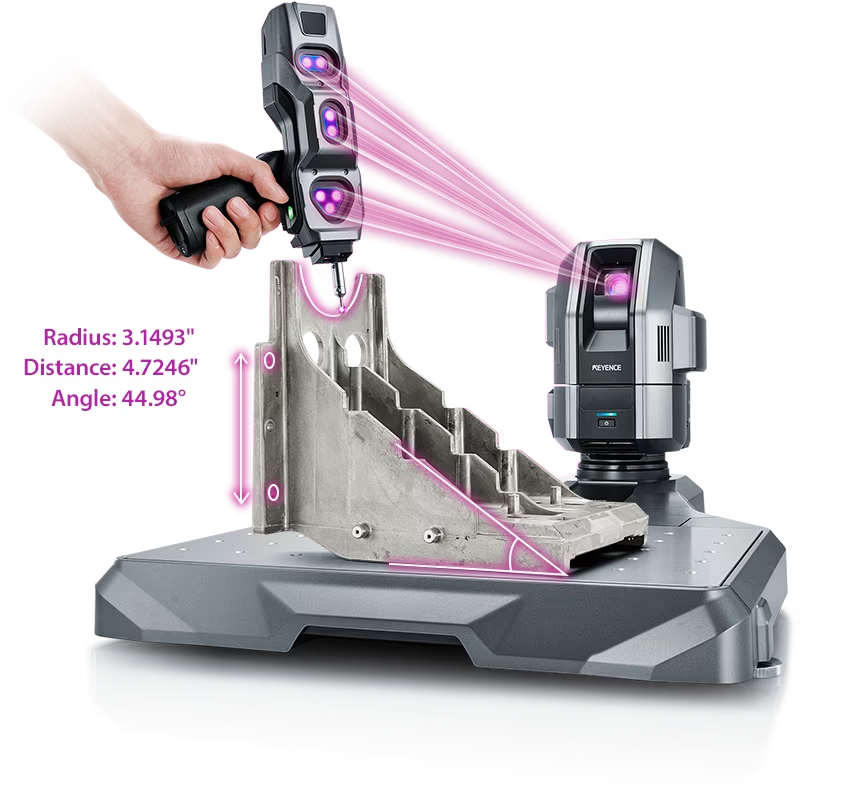
The XM Series is a versatile portable CMM designed for use in a wide range of locations. It does not require a dedicated temperature-controlled measurement room, large installation space, or compressor, making it easier to perform measurements where they are needed.
The camera unit can be detached from the stage, allowing measurements in compact spaces such as offices as well as on-machine measurements with the workpiece fixed to the machine tool. With a maximum measurement range of 2 meters, the XM Series can also handle larger workpieces.
Operation is simple: users place the handheld probe on the area to be measured. Built-in tutorials provide step-by-step instructions with images, while the navigation function guides users through previously performed measurements in the same location and sequence. These features help make measurement easier, even for operators with limited experience.
With flexible installation, simple operation, and minimal setup requirements, the XM Series is designed to be easier to introduce into daily inspection work.
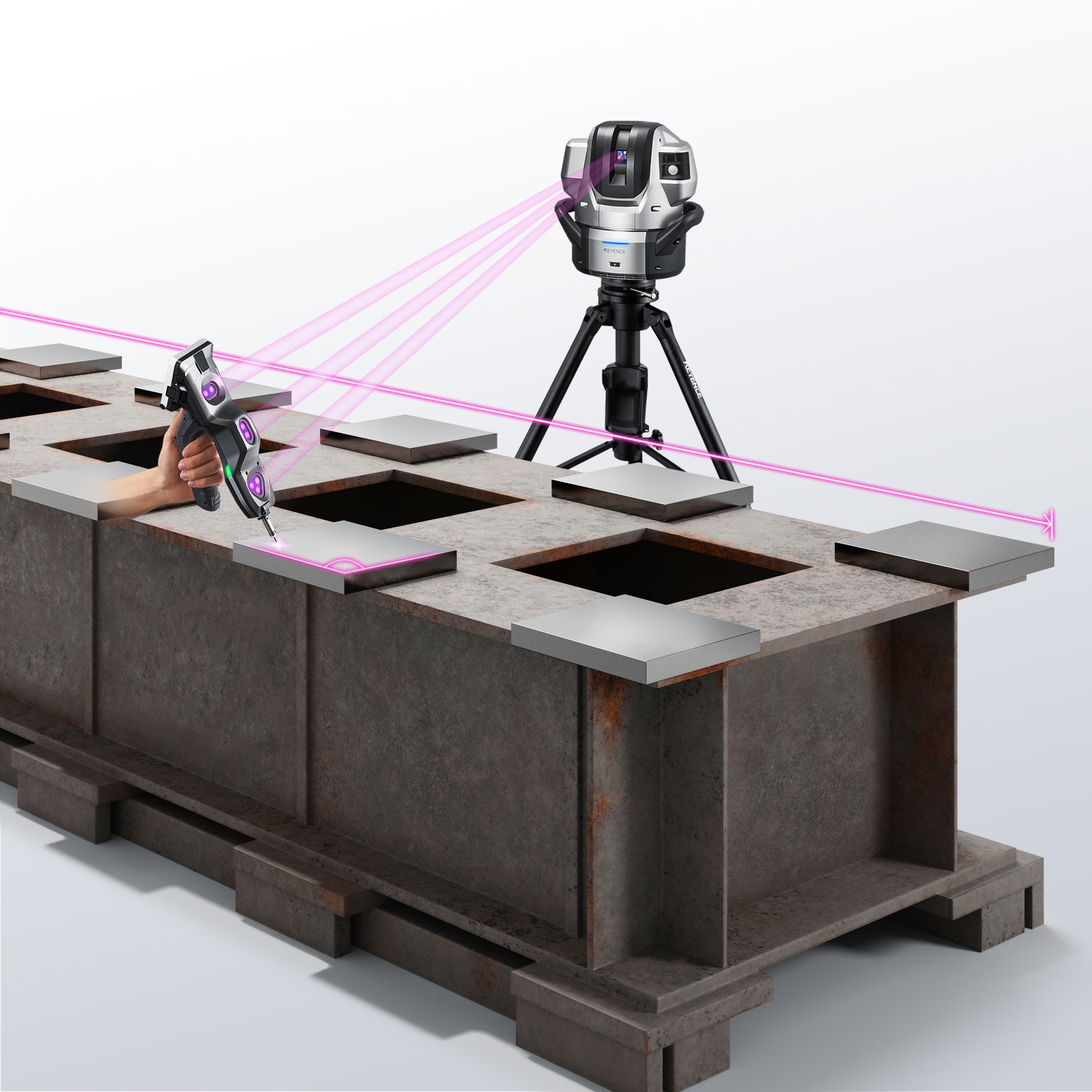
The WM Series is a portable CMM that can be carried in a dedicated suitcase and set up by connecting just two cables. Operators select the measurement elements on the monitor, place the probe on the target, and press a button, making it easy to use without advanced measurement expertise.
The main camera continuously tracks the position and orientation of the handheld probe, recognizing its location regardless of the operator’s position. This allows users to measure from different angles without moving the workpiece. Because communication between the camera and PC is wireless, the system is also easier to use in tight or complex spaces.
In addition to contact measurement, the WM Series supports non-contact laser scanning with a high-performance laser scanning probe. Using 30 multi-line violet lasers and a maximum measurement range of 25 m, it can capture 3D data from large parts, complex geometries, and freeform surfaces quickly.
The wide measurement range also helps one person inspect large components that would typically require multiple operators. This can reduce labor, shorten measurement time, and make it easier to inspect large workpieces that are difficult to measure with gate-type CMMs, vernier calipers, or micrometers.
With both contact and laser scanning probes available, the WM Series can support both dimensional measurement and shape capture for large-part inspection.
The Gage Max FARO Arm is a portable 3D coordinate measuring arm designed for intuitive operation and high-precision measurement of small to medium-size parts.
The MCAx S is an articulated-arm portable CMM from Nikon. With flexible 7-axis movement, it is designed to measure complex shapes and larger parts with high precision.
Arm-type CMMs are a common category of portable CMMs. They use a multi-joint measuring arm to capture 3D coordinates and are widely used for dimensional inspection in manufacturing environments.
Compared with bridge or gate-type CMMs, arm-type systems generally offer lower measurement accuracy, but they provide greater installation flexibility. Because they are relatively lightweight, they can be carried to the workpiece and set up where measurement is needed.
However, arm-type CMMs also have limitations. Their accuracy, measurement range, and ease of operation are affected by the mechanical structure of the arm.
Arm-type CMM accuracy depends on maintaining a stable physical relationship between the arm’s joints and encoders. Deflection, torsion, or wear in the arm or joints can reduce measurement accuracy, so regular maintenance and recalibration are important.
The measurement range of an arm-type CMM is determined by the arm length. Many arm-type systems offer a maximum range of approximately 3 to 4 m, although this varies by model. Longer arms can cover a wider area, but they are also more susceptible to deflection.
Because the arm base and measurement point must remain physically connected, measuring tight, recessed, or hard-to-reach areas can be challenging. Measuring across a large object may also require repeated arm repositioning, and the arm’s weight can contribute to operator fatigue over time.
Using a portable CMM typically involves a few basic steps. First, the device is positioned near the part and calibrated or zeroed to a reference base. Operators then use a handheld probe or scanning head to collect measurement points directly from the workpiece.
Many portable systems provide on-screen guidance and navigation, helping less experienced users complete standard inspection routines efficiently. After data capture, the software can generate dimensional reports, tolerance analysis, and CAD comparison results.
Portable CMMs are used in a wide range of inspection scenarios. On the shop floor, they allow teams to verify large assemblies without moving heavy parts, helping reduce inspection time and labor.
In maintenance and field inspection, portable metrology tools help technicians check alignment, fit, and geometric tolerances directly on-site. They are also useful for tooling and mold inspection, where on-site dimensional checks can help maintain consistency and reduce downtime.
Choosing between a portable CMM and a fixed CMM depends on the part size, measurement location, accuracy requirements, and inspection frequency. If the part fits easily on a fixed bridge CMM and the highest accuracy is required in a controlled inspection room, a fixed CMM may be the better choice. If the workpiece is large, heavy, already installed, or difficult to move, a portable CMM is usually more practical.
Fixed CMMs are well suited for continuous lab-based inspection, while portable CMMs are useful for spot checks, assembly verification, maintenance, and shop-floor troubleshooting. Accuracy requirements are also important. For sub-micron inspection, a fixed system is generally preferred. When tolerances of around ±10 µm or wider are acceptable, portable CMMs can often provide sufficient performance with much greater flexibility.
Budget should also be evaluated from a total cost of ownership perspective. Once the cost of a dedicated measurement room, part transport, fixtures, and skilled programming is included, a fixed CMM may require a much larger overall investment. In practice, many manufacturers use both: fixed CMMs for final precision inspection and portable CMMs for fast, on-site measurement.
To choose the right portable CMM, start by clarifying the application. Determine whether you need dimensional inspection, GD&T measurement, large-part alignment, or 3D shape capture. Then narrow the system type: handheld portable CMMs for flexible shop-floor use, arm-type CMMs for local probing, laser trackers for large-volume measurement, or optical scanners for dense surface data.
Next, confirm the required accuracy, measurement range, software functions, and reporting format. Budget should include the purchase price as well as calibration, training, software, accessories, and maintenance. Before making a final decision, request a demo or trial using an actual workpiece. Testing systems under real shop-floor conditions is the best way to judge usability and long-term value.
Source: KEYENCE Website(https://www.keyence.com/products/measure-sys/cmm/xm/index_pr.jsp)
This CMM has a caliper-like feel, enabling even beginners to perform high-precision measurements. It can be carried without the need for temperature control, allowing for immediate measurements at any desired location and time. As it doesn't require a large installation space, it's a CMM with a low entry barrier.
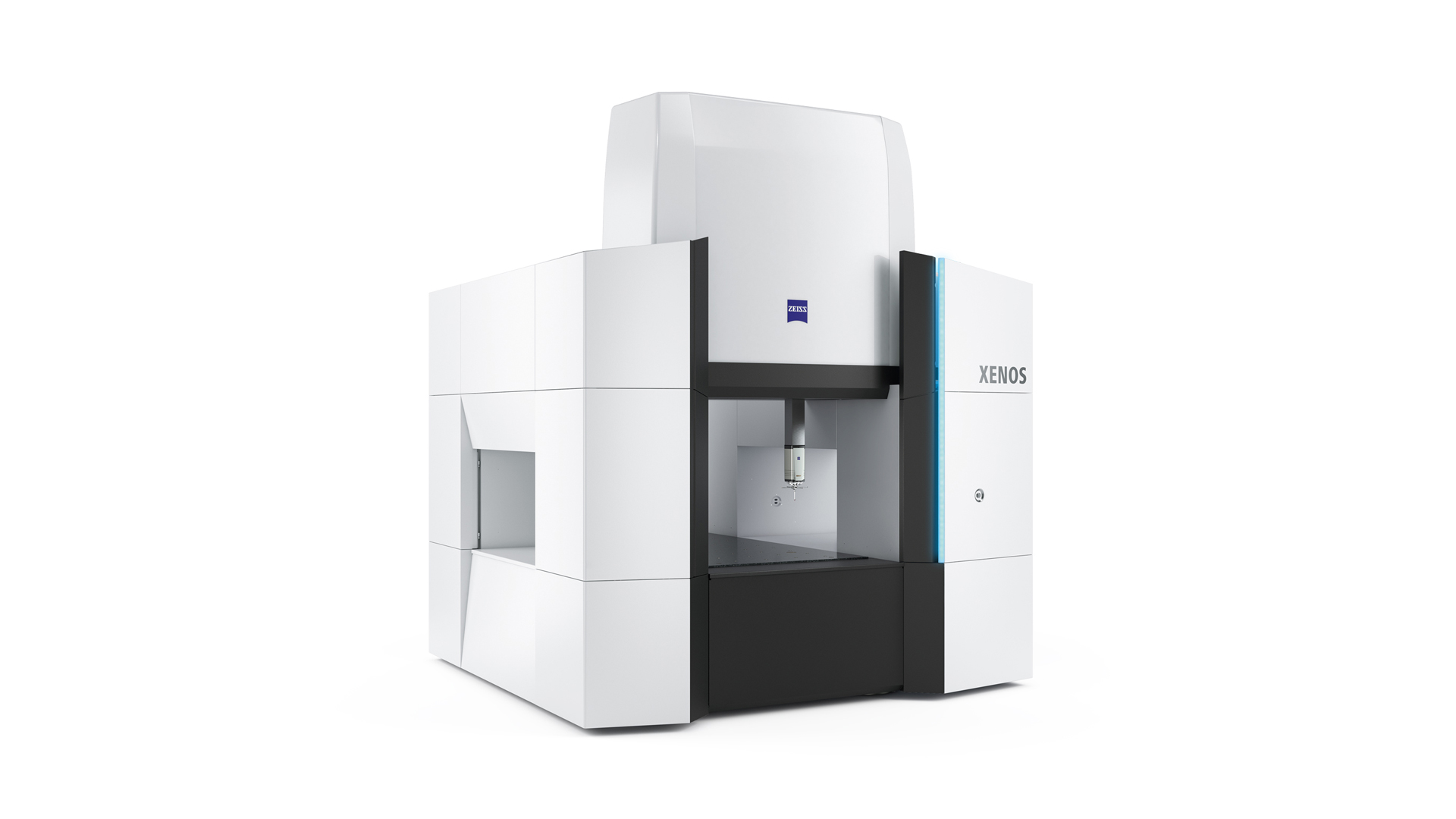
Source: Carl Zeiss Website(https://www.zeiss.com/metrology/products/systems/cmm.html)
Utilizing linear drive on all axes, this CMM boasts high precision with a maximum permissible length measurement error of 0.3+L/1000μm, repeatability of ±0.2μm, and resolution of 0.001μm. The reduced occurrence of errors allows for a decrease in the need for remeasurement.
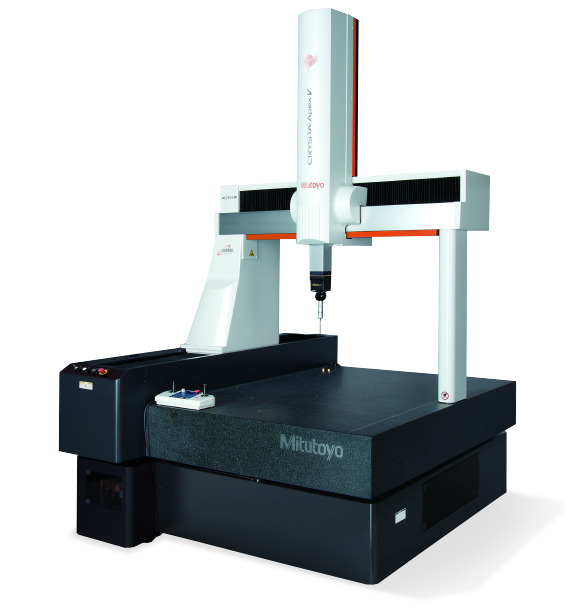
Source: Mitutoyo Website(https://www.mitutoyo.com/products/coordinate-measuring-machines/)
A CNC CMM that was first developed in 1976.
It features applications that respond to the demand for "Smart Factories" by allowing monitoring of operational status and maintenance management of the machine through the network.
Reasons for Selection